
My name is Veronika, I work as a Social Media Manager and International Project Coordinator at Youth Progress. I’m passionate about politics, youth empowerment, and exploring how religion and spirituality influence our societies and youth work. In May 2025, I had the chance to take part in the Spirit of Dialogue training course in Rabat, Morocco, where I represented our team and joined other youth workers across Europe and beyond.
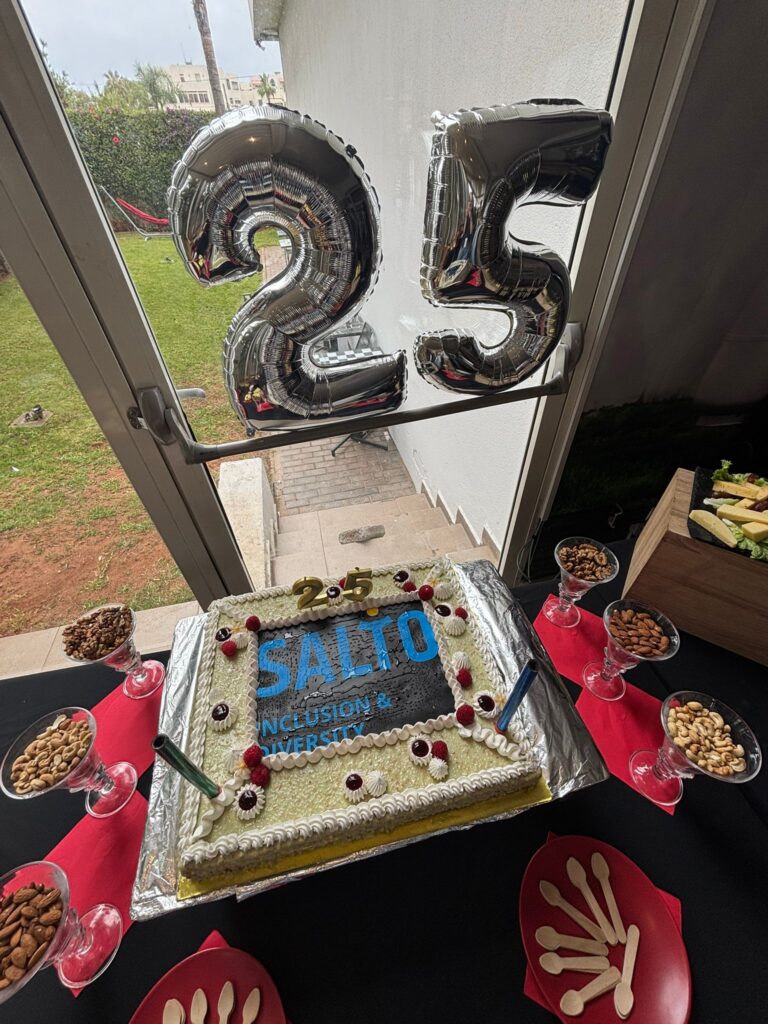
The training was part of the SALTO Inclusion & Diversity “Embracing Diversity” series. Its aim was to equip youth workers and educators with tools to navigate religious and spiritual diversity, encourage inclusive dialogue, and create safer spaces for meaningful conversations. The course brought together 27 participants from 17 countries, and although we came from very different backgrounds, we were united by a shared commitment to building bridges between beliefs, values, and lived experiences.
The training course’s main goal was to strengthen our capacity to support interfaith dialogue in youth work, especially in a world where religion is often a source of misunderstanding or even conflict. Together we explored questions like what does interfaith dialogue really mean, and what is it not. How do our own identities shape the way we listen, speak and connect? How can we bring interfaith values into our communities in practical, inclusive ways? These weren’t abstract questions, they became very real through powerful exercises, deep conversations and a lot of laughter (and yes, sometimes tears). From the very beginning we were invited to bring our full selves: our doubts, our beliefs, our questions.
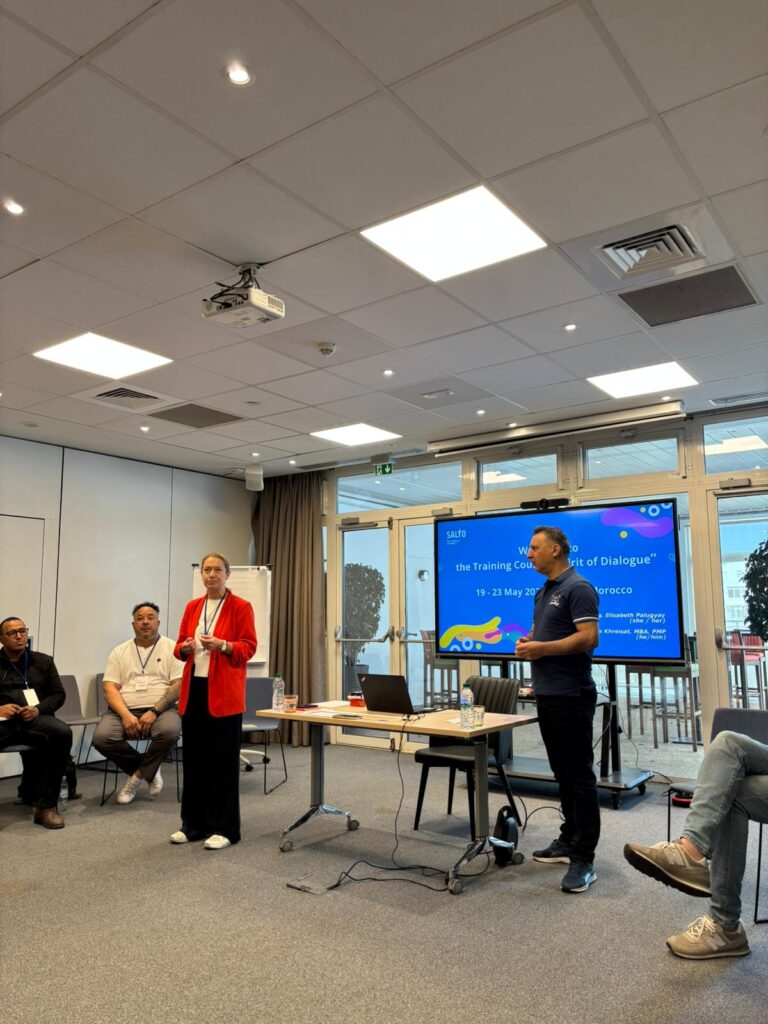
We explored the theory and practice of interfaith dialogue not just as a concept, but as a living, breathing act. Through activities like Take a Stand and group discussions, we learned to hold space for disagreement without turning away from each other. We talked about the different types of interfaith dialogue – theological, experiential, practical. And we challenged stereotypes, such as the idea that dialogue weakens your own faith. It is actually quite the opposite.
Guest speakers like Father Christophe Roucou who shared his experience of building interfaith understanding in Morocco. It was eye-opening to see how young people in other countries approach these questions with curiosity, resistance, and hope.
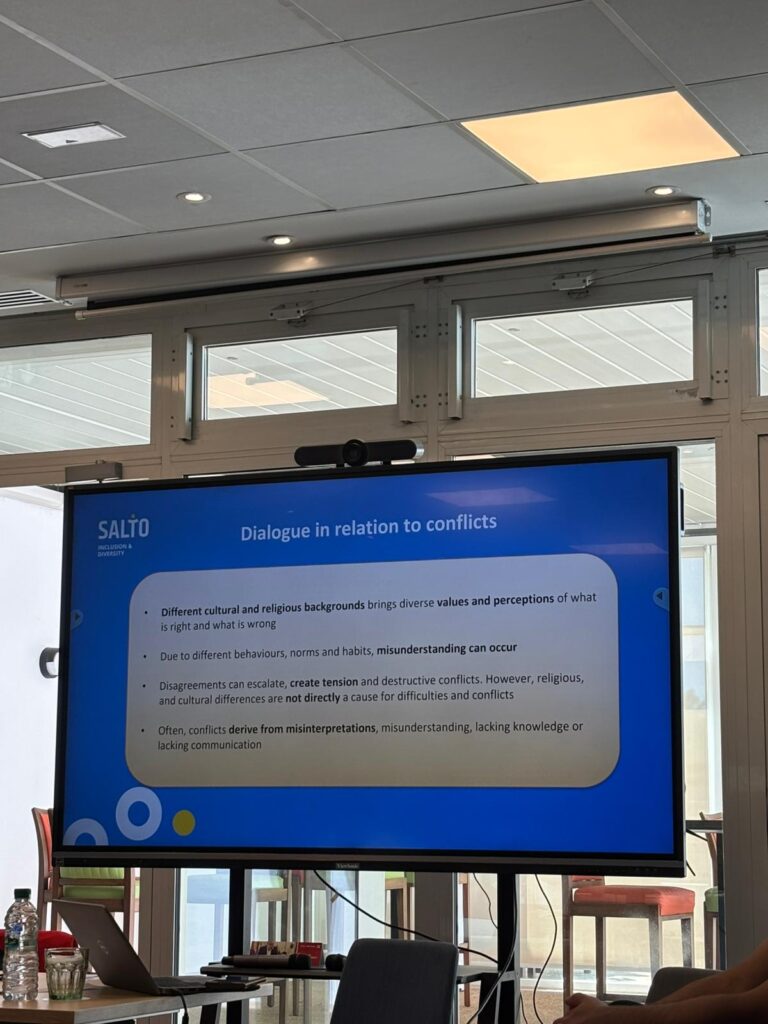
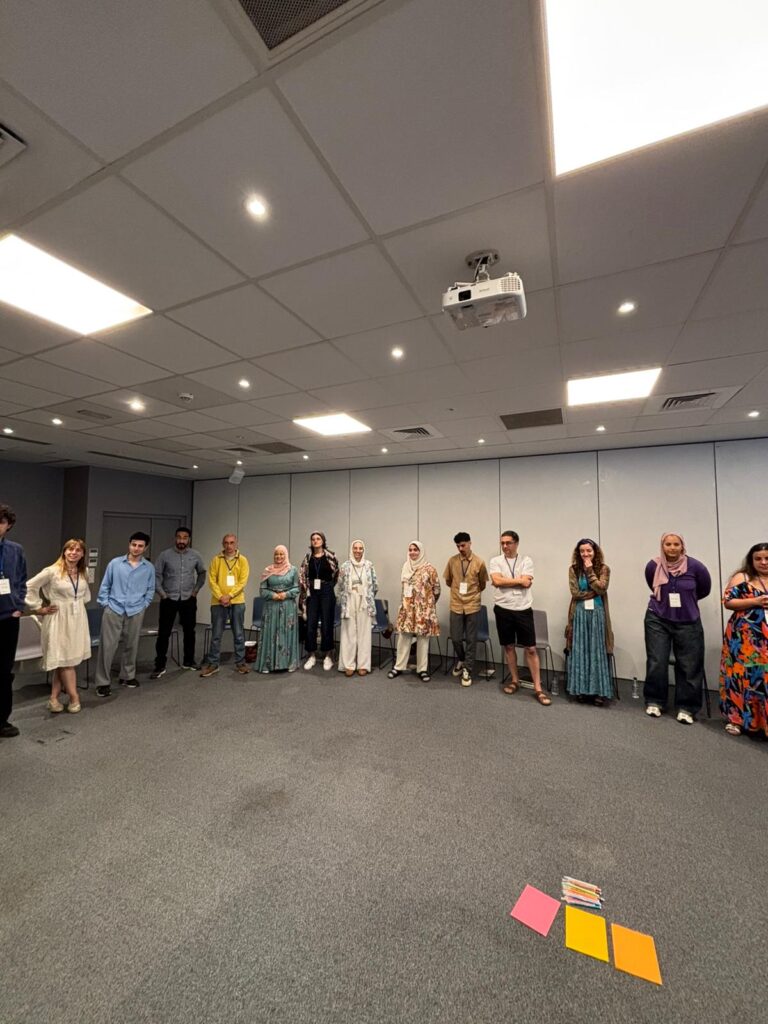
One of the most memorable moments was our “Cooking Together” simulation, where we had to plan a feast as members of different (fictional) faith communities. Let’s just say finding a menu everyone could agree on wasn’t easy but that was the point. Dialogue is rarely comfortable, but it’s always worth it. Later we explored Theatre of the Oppressed as a tool for working with real-life tensions. By stepping into different roles, we practiced how to intervene in interfaith conflicts not with anger, but with compassion. And then there were the peer-sharing sessions. So many participants brought their own tools, workshops, and projects.
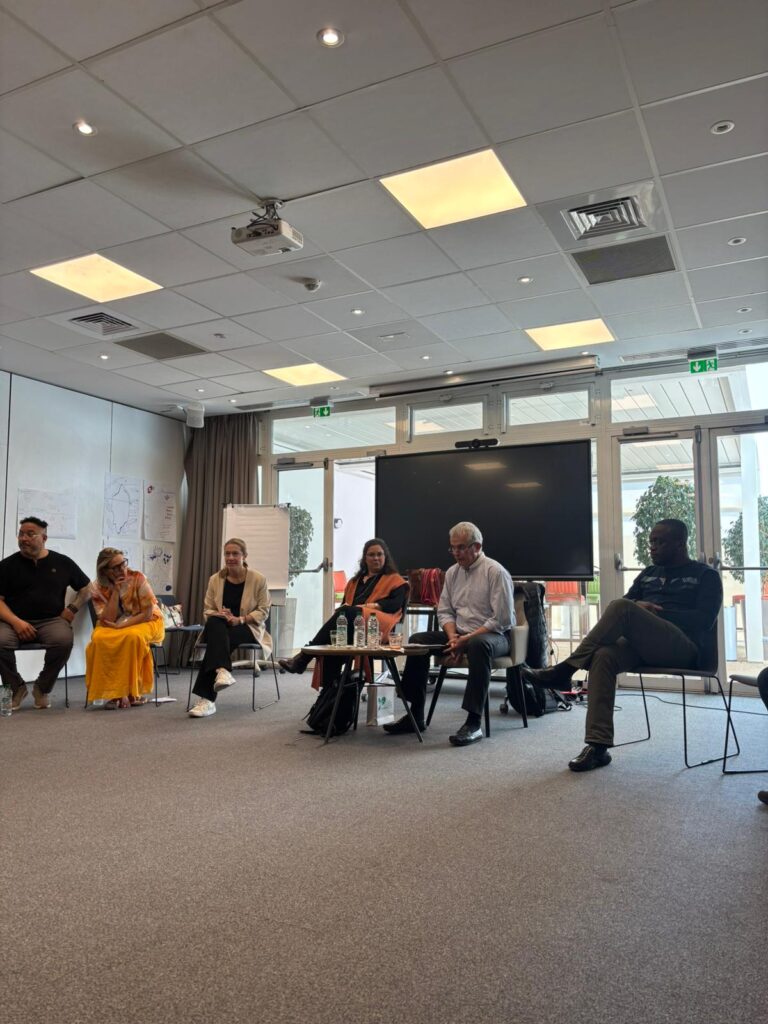
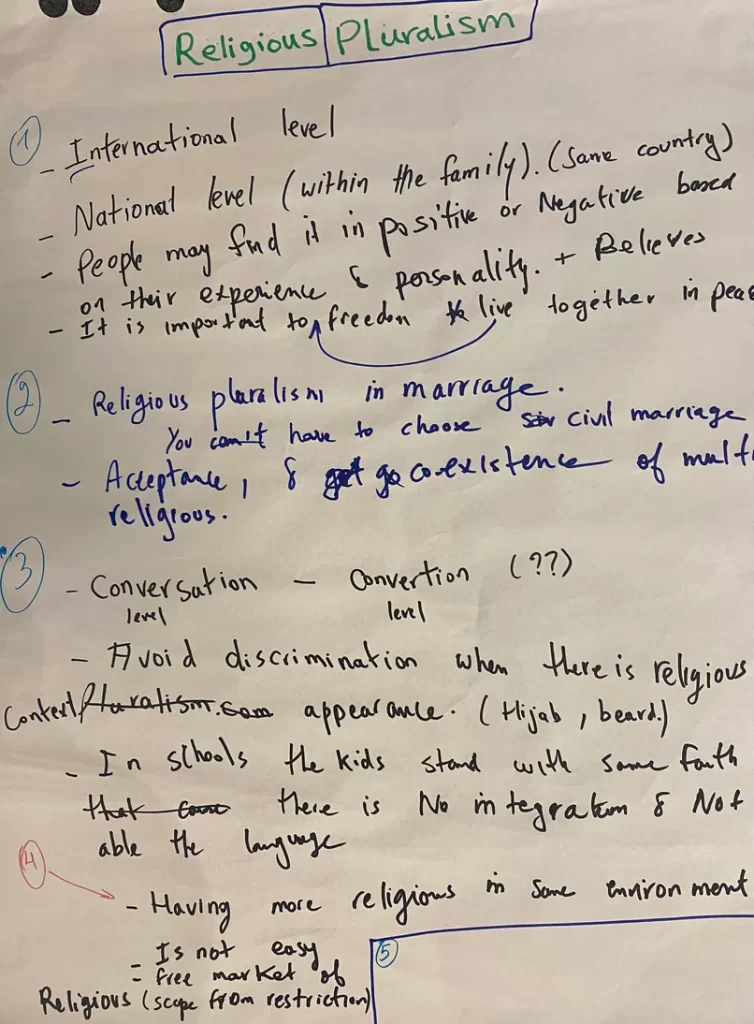
When I at first arrived in Morocco, I had a lot of questions, especially about how to address topics that are frequently considered as too sensitive or controversial, how to create an environment that encourages open debates, and how to discuss religion in youth work. In addition to leaving with more questions, I felt more connected, clear, and confident. I was reminded by this training that conversation is more than just using words. It involves being present, remaining in the room when the subject is awkward, and seeing the humanity in another person’s story, even if their experience differs greatly from your own. I’m incredibly appreciative of this experience and honored to apply its lessons to my work with Youth Progress.
A heartfelt thank you to Dům zahraniční spolupráce (DZS), SALTO Inclusion & Diversity, and to the entire Youth Progress team.