Training report
Wear the Future
24 April – 01 May 2025
Velké Pavlovice | Czech Republic

24 April – 01 May 2025
Velké Pavlovice | Czech Republic

In April/May 2025, Youth Progress implemented Erasmus+ mobility for youth workers under the project called Wear the Future. The 8 day intense training dedicated to sustainable fashion was implemented in collaboration and thanks to a great methodology in non-formal education of Fashion Revolution Czech Republic. Here is a brief report of what the participants experienced and learned and what the project aims for.
The project Wear the Future aims to raise awareness about ethical fashion and provide youth workers with the tools to fight overconsumption and educate young people on the harm of the “affordable” fast fashion.
Our aim is to empower youth workers and professionals around Europe with the knowledge, skills, and tools to address challenges in the European fashion and textile industry.
THE CONTEXT
The popularity of fast fashion in Europe has been driven largely by its affordability, but this comes at a significant cost. The fast fashion industry is directly linked to human rights abuses and environmental degradation.
It has also contributed to overconsumption and a growing textile waste crisis, with EU citizens generating over 11 kg of textile waste per person annually.
In response, the EU’s ‚Strategy for Sustainable and Circular Textiles‘ seeks to tackle these issues by promoting recycling and sustainability within the textile industry.
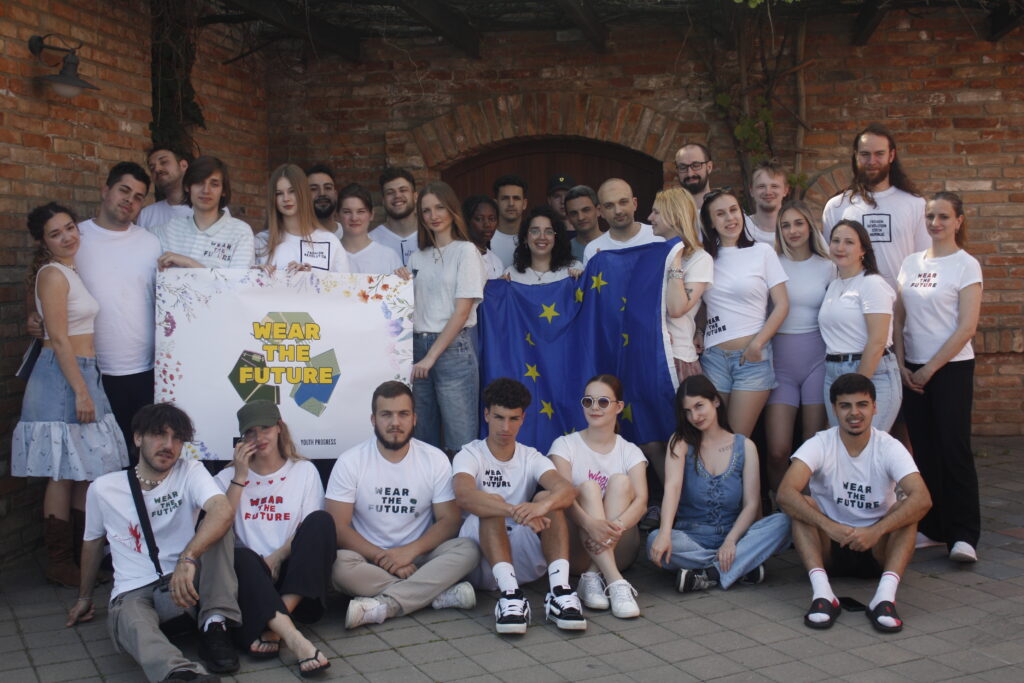
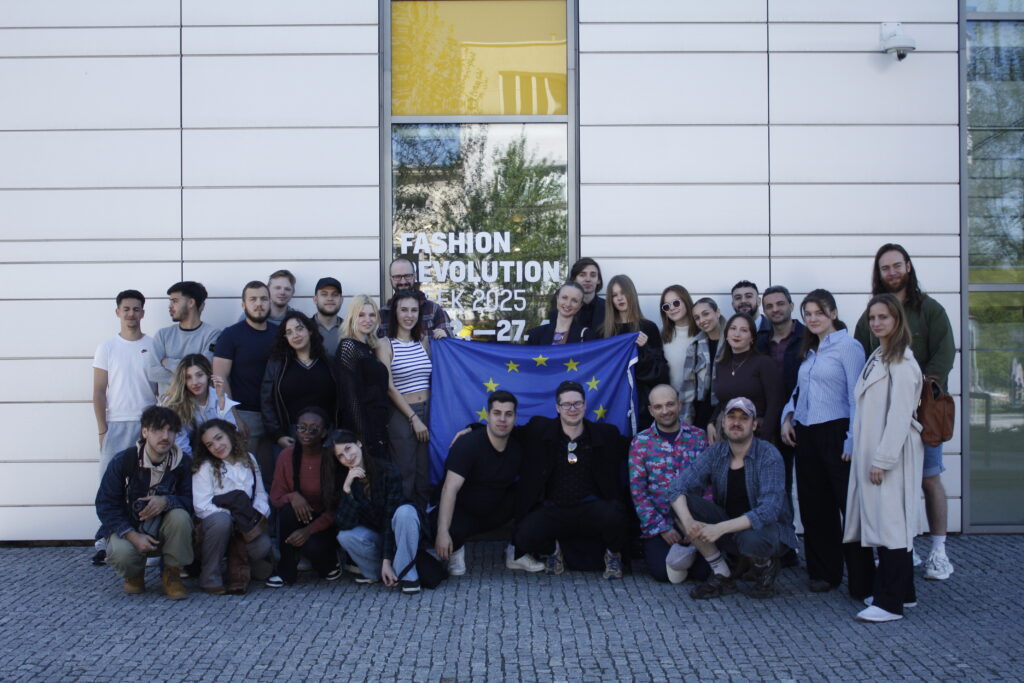
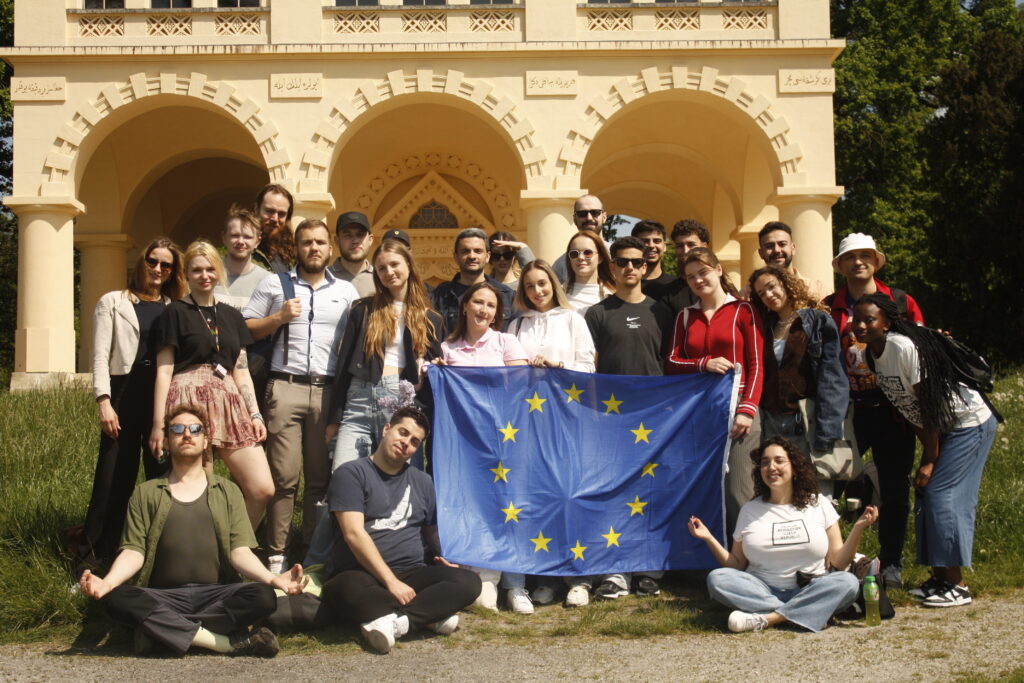
The project brought together 30 youth workers from Italy, Portugal, Czechia, Serbia, Latvia and Austria in the Czech Republic for an intensive training, utilising educational tools and resources from Fashion Revolution and their RecyCOOL academy project.
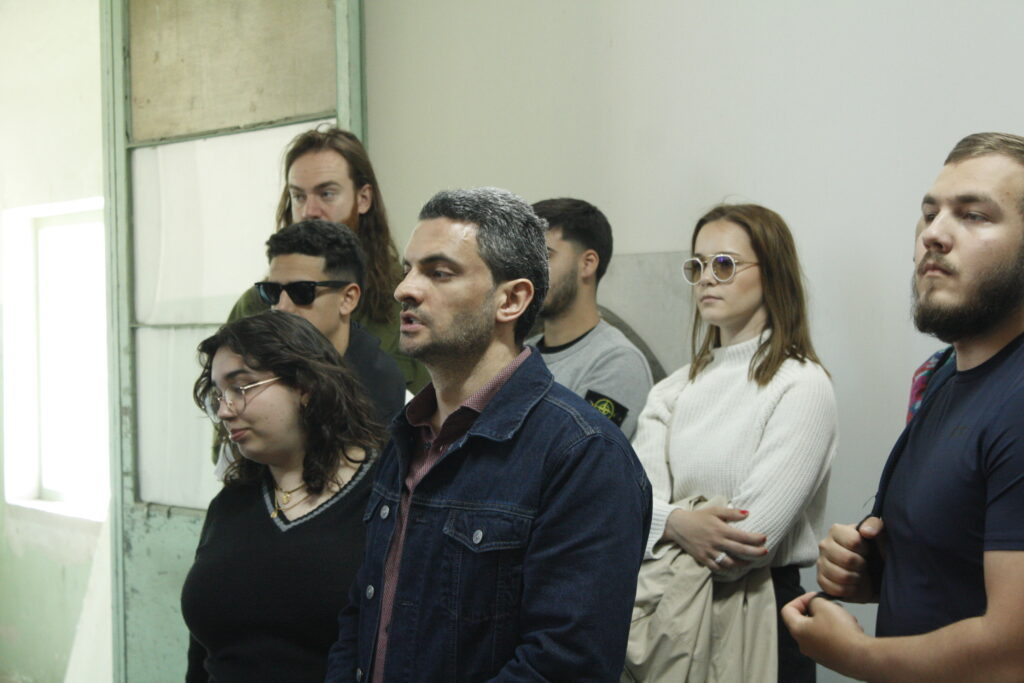
Participants engaged in workshops, discussions, local visits, group mini-projects, and presentations, gaining practical insights and skills related to sustainable fashion, European values and European programs.
The training aligned with Fashion Revolution Week, allowing participants to contribute to and learn from this local event.
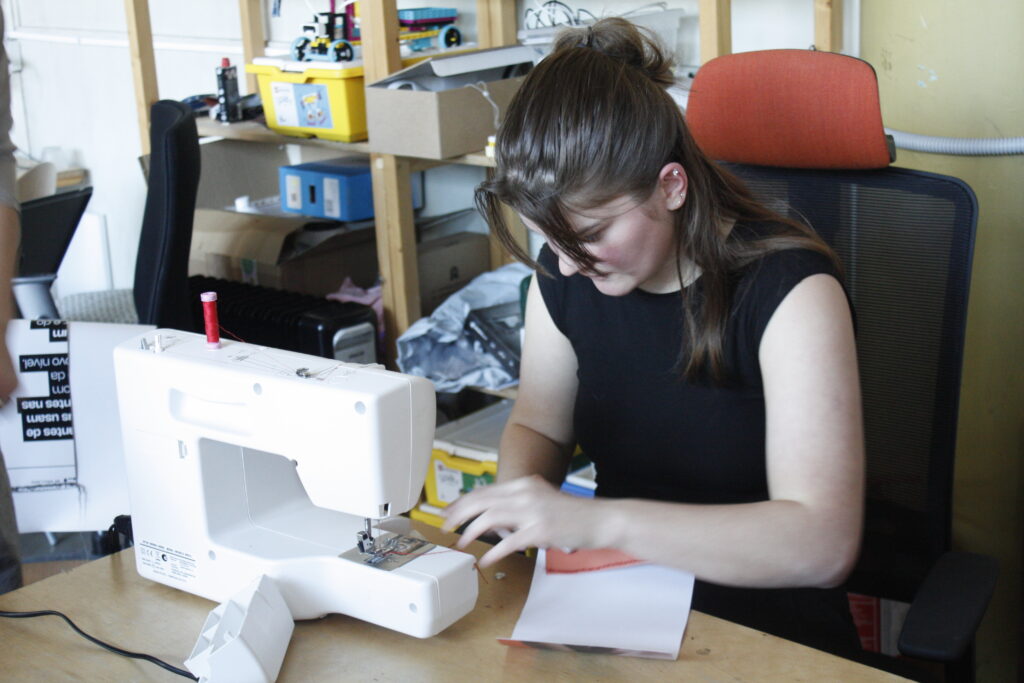
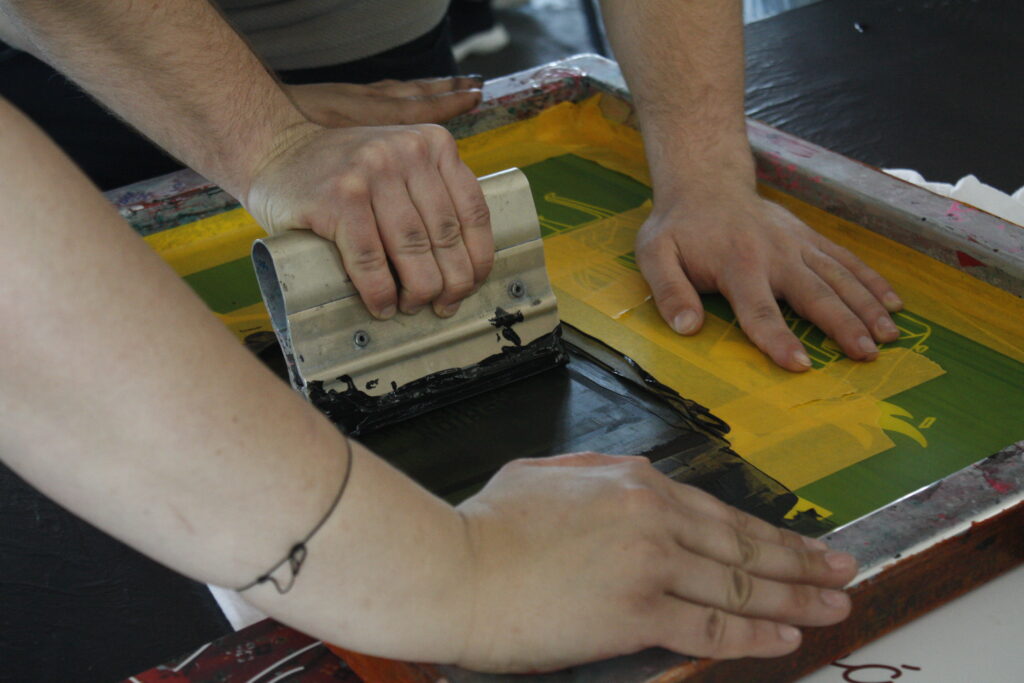
We attended local Fashion Revolution Week in Zlín on 27th April 2025, which included a visit to the local design university and a sustainable fashion exhibition. The event also featured talks focused on sustainability in fashion and textile industry, and also practical workshops including screen printing, sewing and digital embroidery – in collaboration with creative and digital workshop Robota, managed by Tomáš Baťa University in Zlín.
Participants had the unique opportunity to connect with local university and gallery, fostering collaboration to amplify the project’s impact and promote sustainable, ethical practices within their communities.
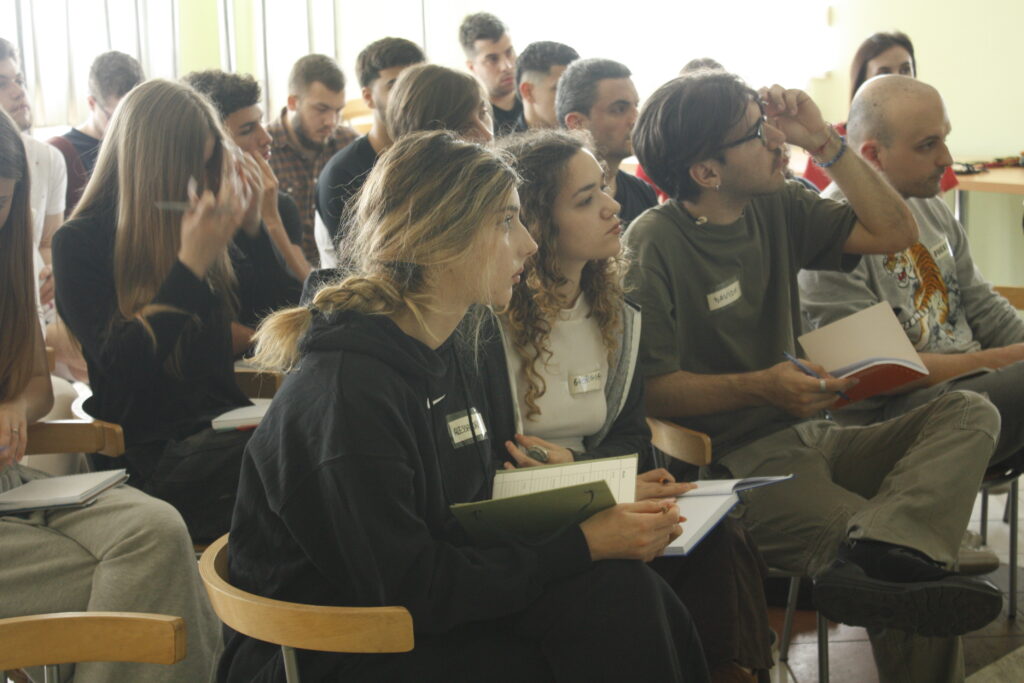
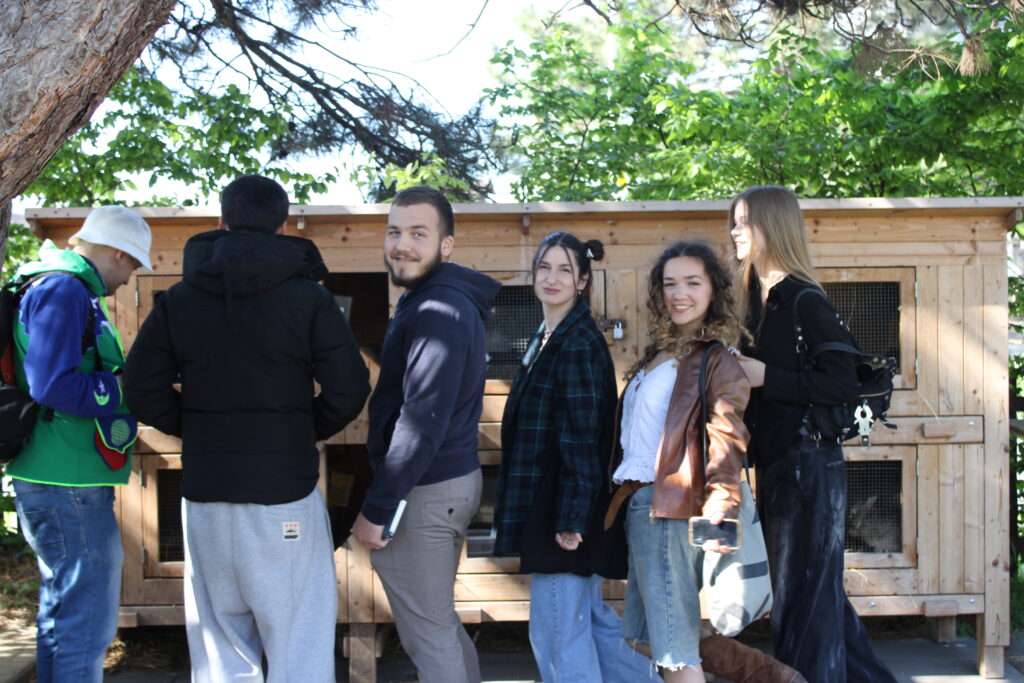
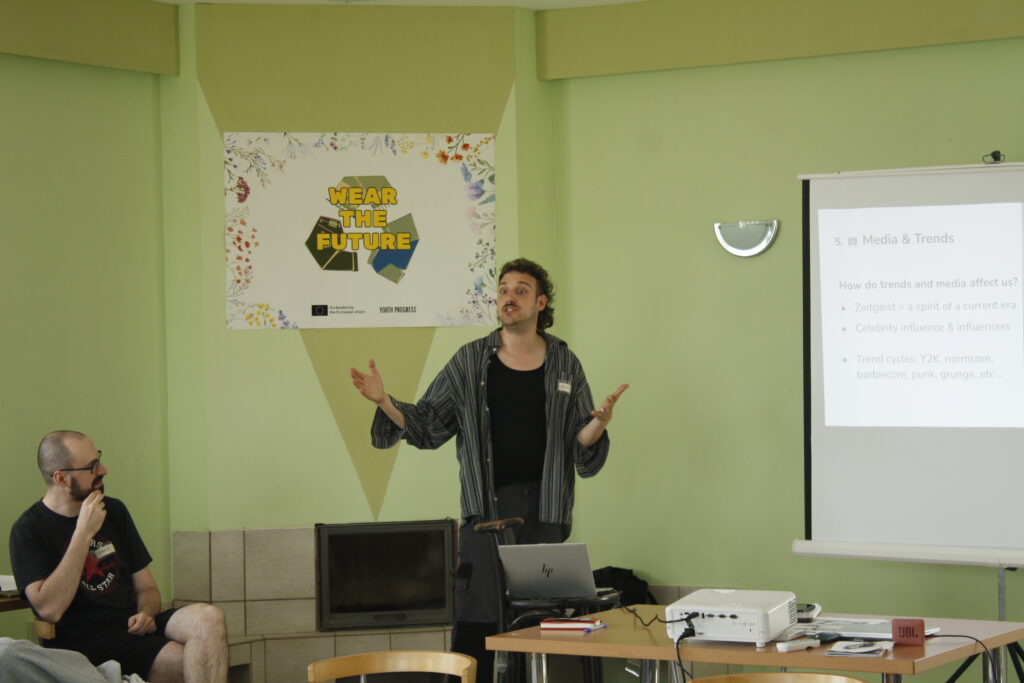
We started the training with introduction to the project, repeating and summarizing goals and desirable future outcomes. Through a digital poll, the participants shared their expectations, fears and main concerns regarding the training. We concluded the morning session engaging in fun activities to get to know each other.
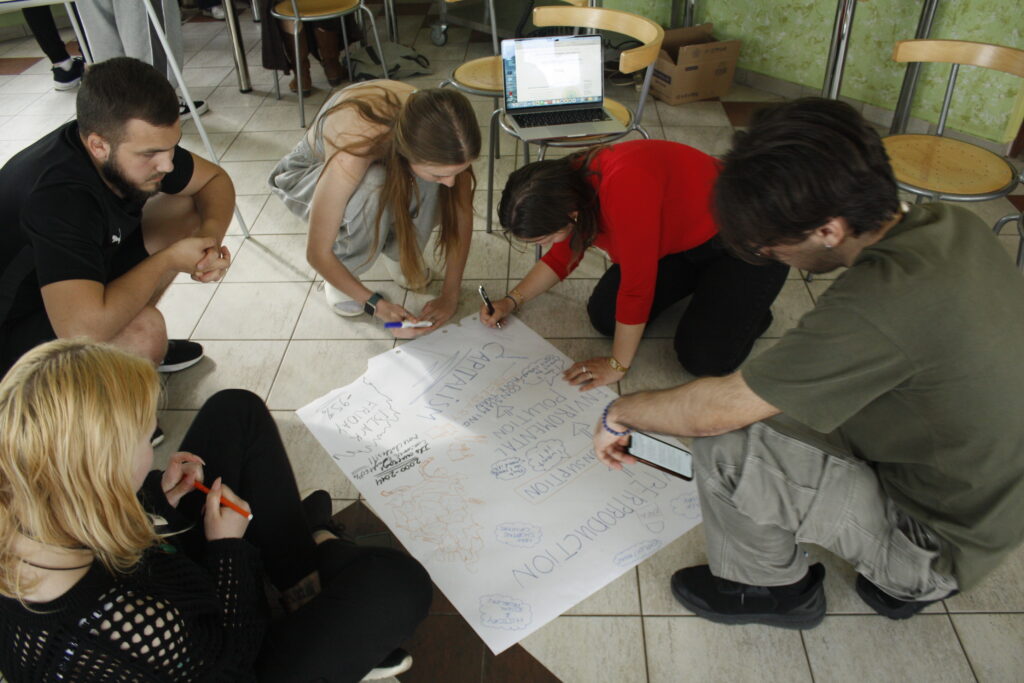
In the afternoon, we introduced the project’s main topic — fast fashion: affordable but harmful. Participants reflected on their own fashion choices and habits and shared personal stories about their clothes, leading to discussions about environmental and societal impact.
We explored global and local challenges in the fashion industry, highlighting pollution, labor exploitation, and textile waste. We closed the day with global discovery labs and played couple teambuilding and networking games the evening to build connections in the group.
We started with icebreaker and a morning intro to help participants settle in and get ready to dive deep into the project topic. We mapped out the day’s goals and learning outcomes, creating space for setting personal intentions and reflecting on where we are starting from. The morning continued with an introduction to the big players – sustainable development, slow fashion, and the real deal behind EU legislation. Through team activities, case studies and group discussions, we explored how laws and policies can either push fashion towards sustainability or let the fast fashion monster thrive.
After lunch, we took a closer look at how slow fashion aligns with Sustainable Development Goals and compared national laws supporting (or blocking) change. Country-specific workshops led to some spicy debates and new perspectives. Later, we explored the principles of the circular economy. Participants mapped out how circular systems could actually work in their own countries — thinking through local solutions to global problems.
We concluded the day with reflection in groups and learning assessment — a chance to digest everything, share feedback, and help shape the next days of the course to match real needs and expectations.
In the evening we had free time, exploring the local town of Velké Pavlovice.
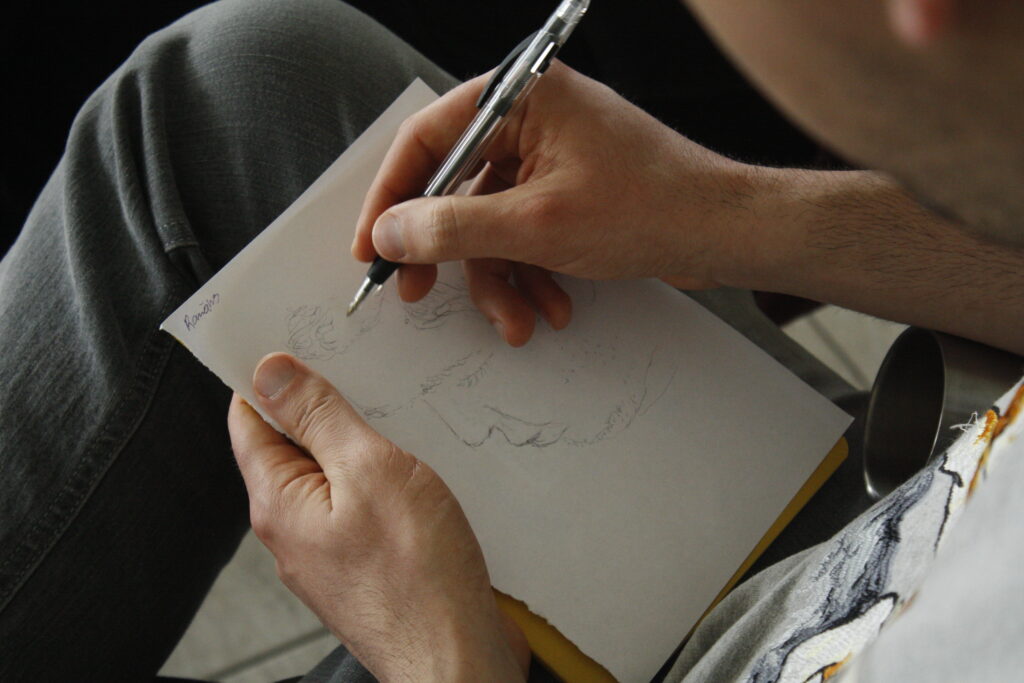
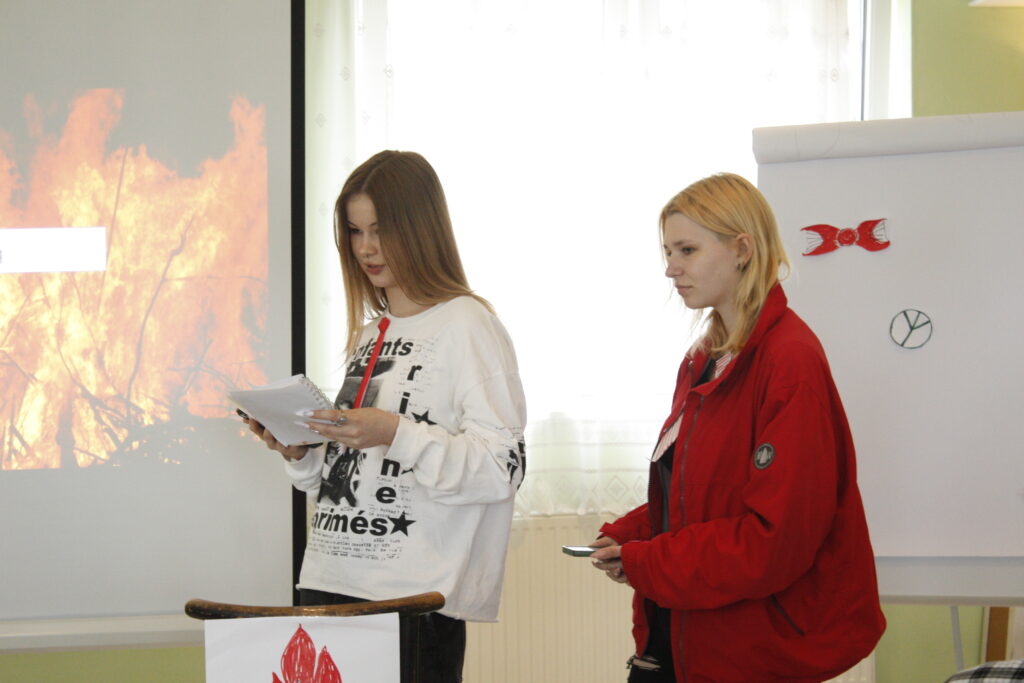
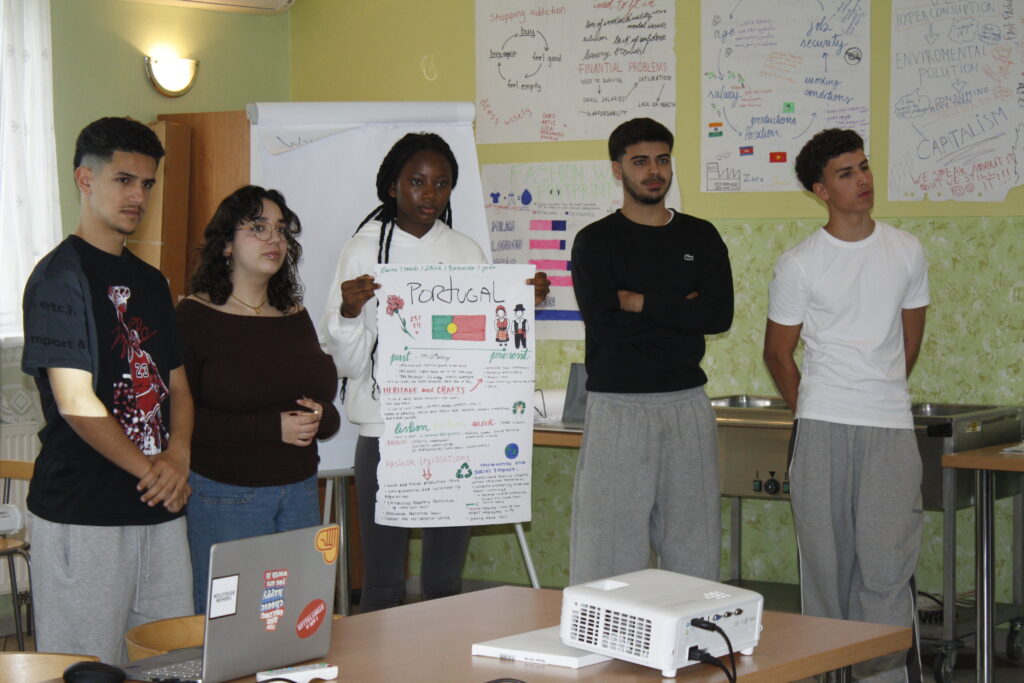
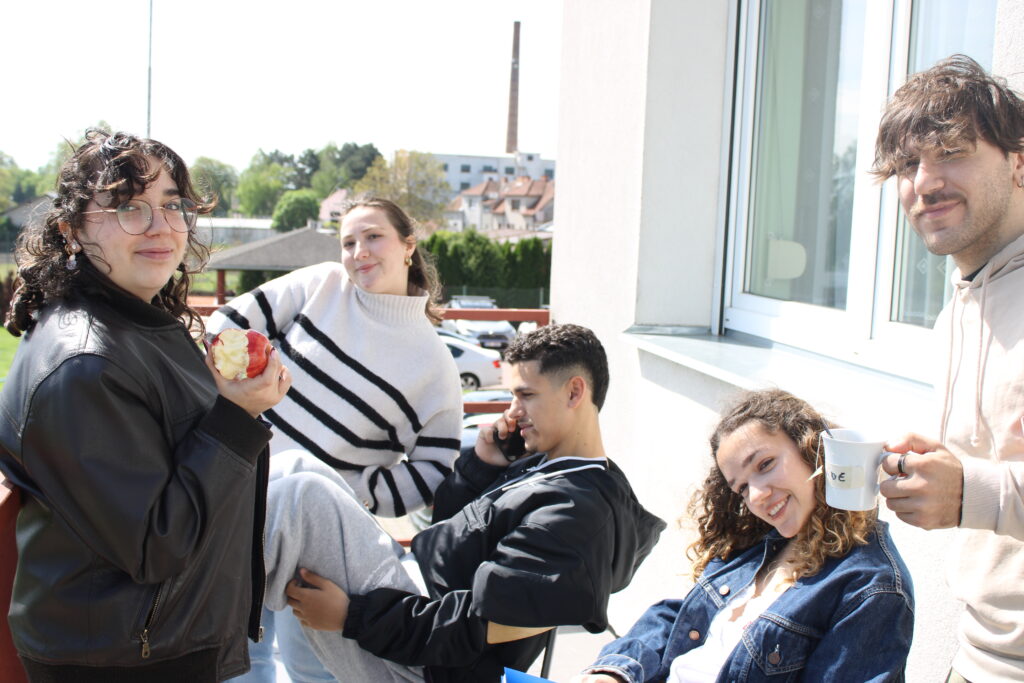
We started with exploring methods of non-formal education. Participants discussed and analyzed what non-formal learning really means and how it can be applied to youth work.
We explored the Recycool educational platform and we were looking over case studies of educational initiatives about sustainable fashion. Participants worked together to analyze the structure of toolkits and educational videos aimed at promoting sustainability.
Later, we focused on mentor-centered and learner-centered approaches in non-formal education, identifying the diverse needs of learners and how to address them effectively.
In the afternoon, participants conducted local community research around Velké Pavlovice and explored the town to gather real-world insights.
We spent the whole day in the city of Zlín, where Tomáš Baťa University hosted events within the world-wide celebrated Fashion Revolution Week. In collaboration with the university, we had the great opportunity to visit @g18gallery, where we had explored sustainable collections and saw some unique upcycled fashion pieces. We then watched The True Cost documentary to better understand how the modern fashion industry works — and its hidden impact on both people and the planet.
Next, we headed to the creative space @robota_zlin, where participants learned different techniques such as screen printing, digital embroidery, and sewing.
We also took a short walk through Zlín, where we learned about the legacy of Tomáš Baťa through storytelling and a walking tour.
In the morning, participants explored the topic of fashion production through a blind map activity. After that, they began working on a task: to design their own circular fashion companies using real circular economy models.
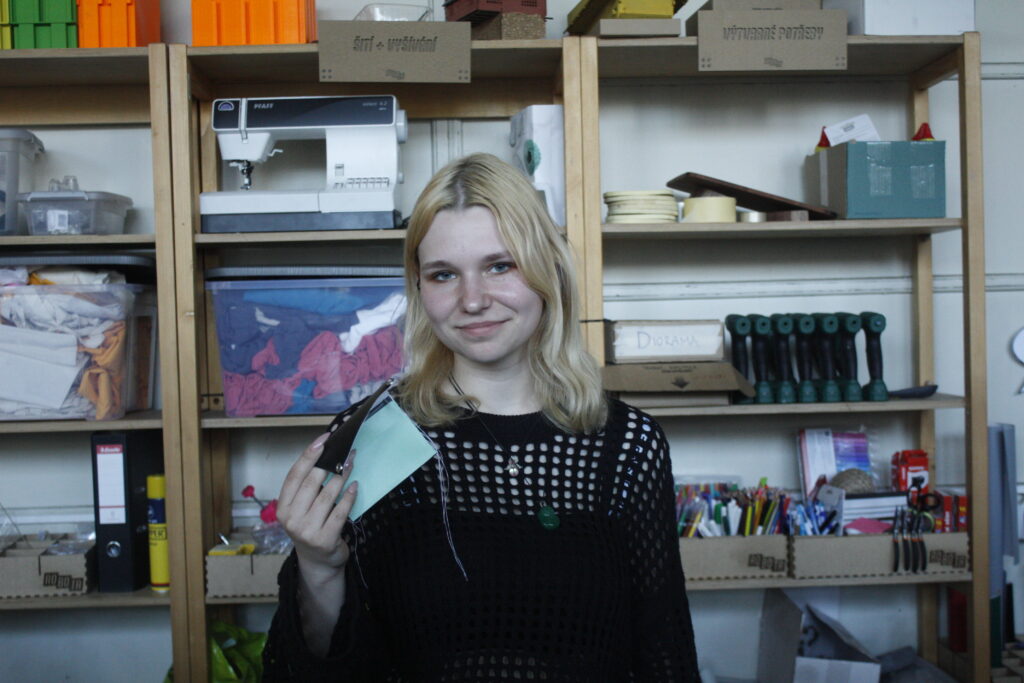
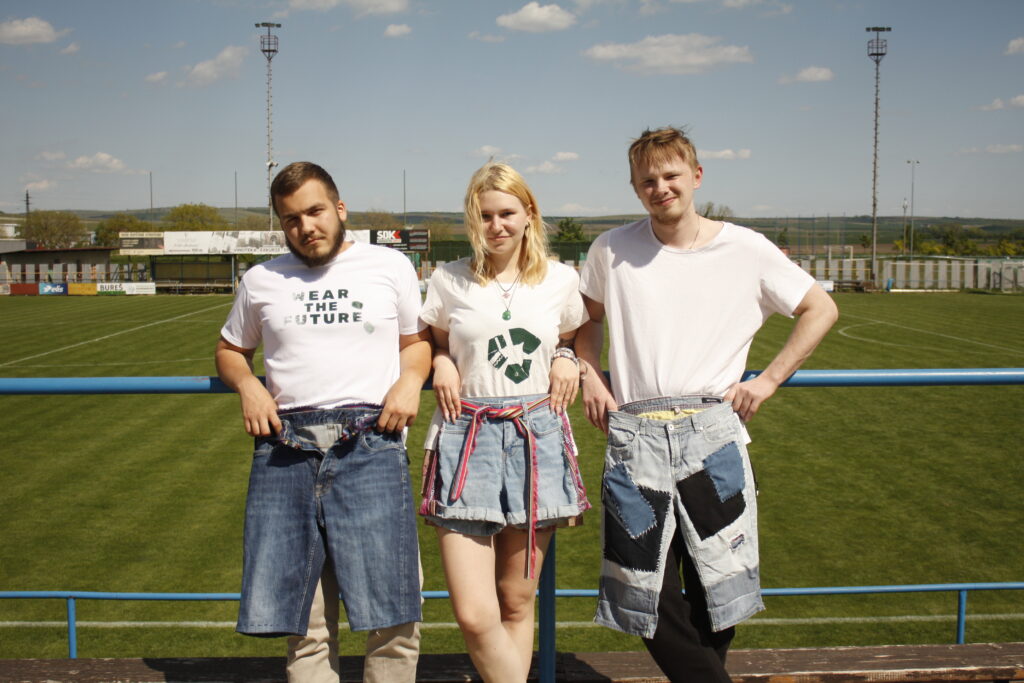
In the afternoon, we hosted a DIY workshop where everyone upcycled their own fashion items — giving old clothes new life with thoughtful repairs and fresh ideas.
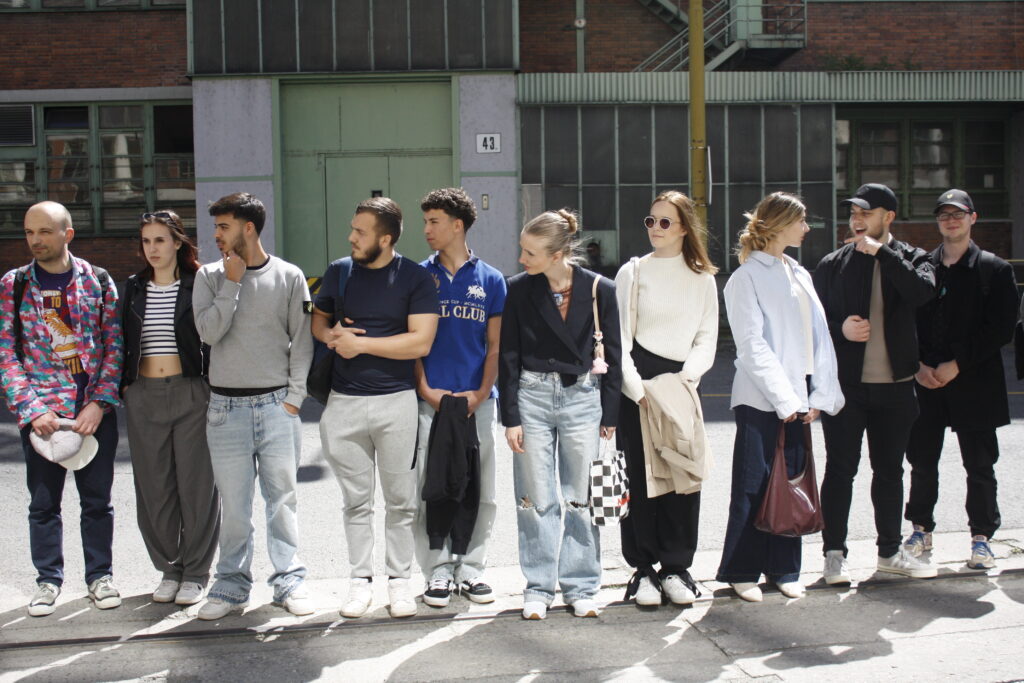
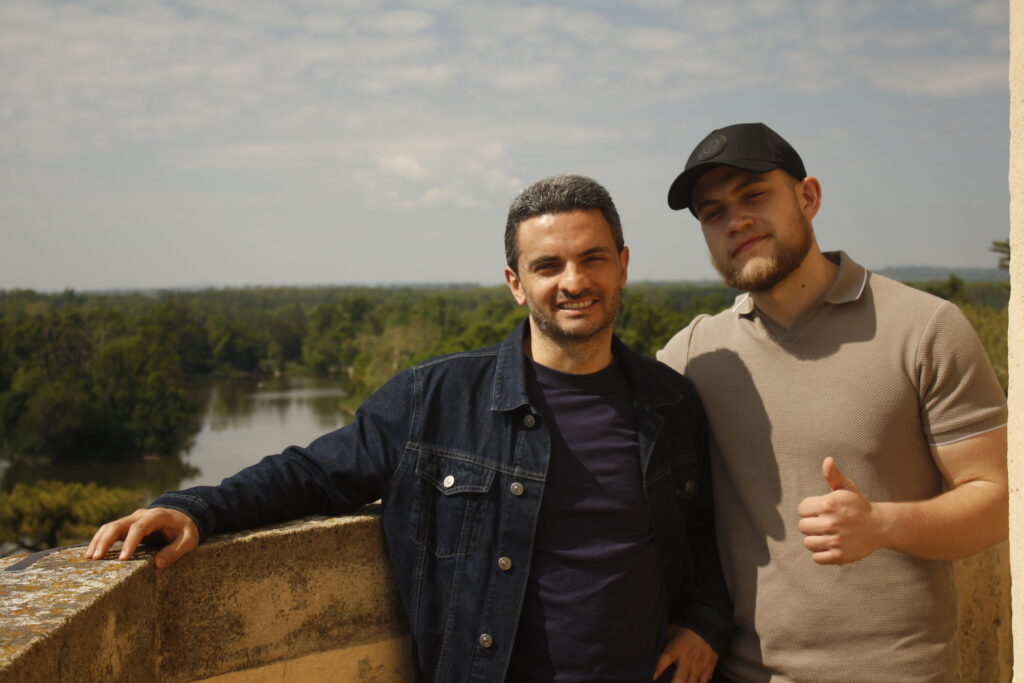
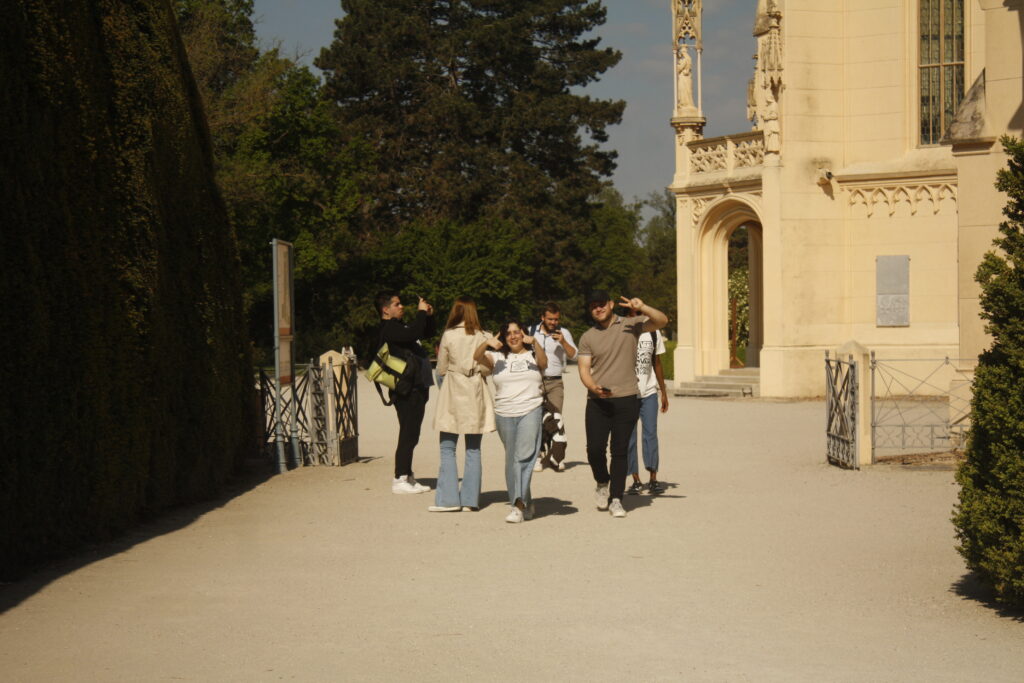
In the morning, we headed to the beautiful Lednice Castle for a well-earned break after several days of workshops and activities. The participants explored this UNESCO gem and learned more about the Czech local realities.
In the afternoon, we had some free time to relax, recharge, or explore the locality at our own pace.
We worked in teams to develop imaginative circular fashion brands that addressed major industry issues like waste, overproduction, and ethical labor. Each group created a full concept including branding, business models, marketing strategies, and impact goals. We then pitched our ideas to the group and exchanged feedback. Through this process, we deepened our understanding of the circular economy and strengthened our creative, presentation, and teamwork skills.
In the second part of the day, we began designing our own slow fashion awareness campaigns that were eventually collected in a Toolkit. After receiving a project brief, we explored how to communicate the impact of fast fashion and promote sustainable practices within our communities. This phase encouraged creative brainstorming and thoughtful planning while reinforcing our ability to work collaboratively and think critically about educational outreach.
To support our campaign ideas, we carried out focused research on environmental exploitation, circular fashion principles, and sustainability. We also explored useful tools and European opportunities for youth engagement. This research laid the foundation for developing educational materials and helped us practice project-based learning in a real-world context.
Our final day of the Wear the Future training course was full of emotions. In the morning, we concluded all the work we had done over the past days — final reflections, last touches on our ideas and the Toolkit, and a moment to recognize how far we had come, both individually and as a group. Afterwards the participants explored the European opportunities they may take to improve their professional portfolios, gain more experience abroad or even implement their own projects.
In the afternoon, we had some spare time to finalize some tasks and simply enjoy being together one last time. We closed the day — and the whole project — with a heartfelt activity that gave us space to share memories, express gratitude, and say our goodbyes.
Over the course of these days, strangers became friends, ideas turned into action, and laughter became part of our daily routine. The training Wear the Future wasn’t just about learning — it was about connection, inspiration, and building something meaningful together.
We cannot wait to what the future brings in terms of further collaborations, actions and projects to address important social issues.
The project Wear the Future is co-funded by the European Union.
*We declare that this text only reflects views of the authors, and the European Commission cannot be held responsible for any use of the information contained therein.
Would you also like to take part in international European activity for young people? Follow us on social media to find out more about what we do, or contact us through e-mail info@youthprogress.eu and find out what you can do to become part of our international family!🙂